

Real estate market
Houses in Fort Lauderdale: what changes when the house is on the water
In Fort Lauderdale the water is not a view: it is access. This guide explains how to tell the types of waterfront property apart, what sets the value of a house with a dock and where the purchase usually stalls.
The city is organised around its canals
Fort Lauderdale grew over a grid of canals and over the Intracoastal, and that defines the whole city: the street behind a house is often water; getting around includes bridges that open; the landscape is made of docks and boats moored behind the houses.
For anyone arriving from abroad, the practical effect is that the address decision gains an extra variable. A house is not assessed only by the street, the block and the school: it is assessed by the stretch of water it has access to — and by everything that stretch allows.
Real water and water as a view
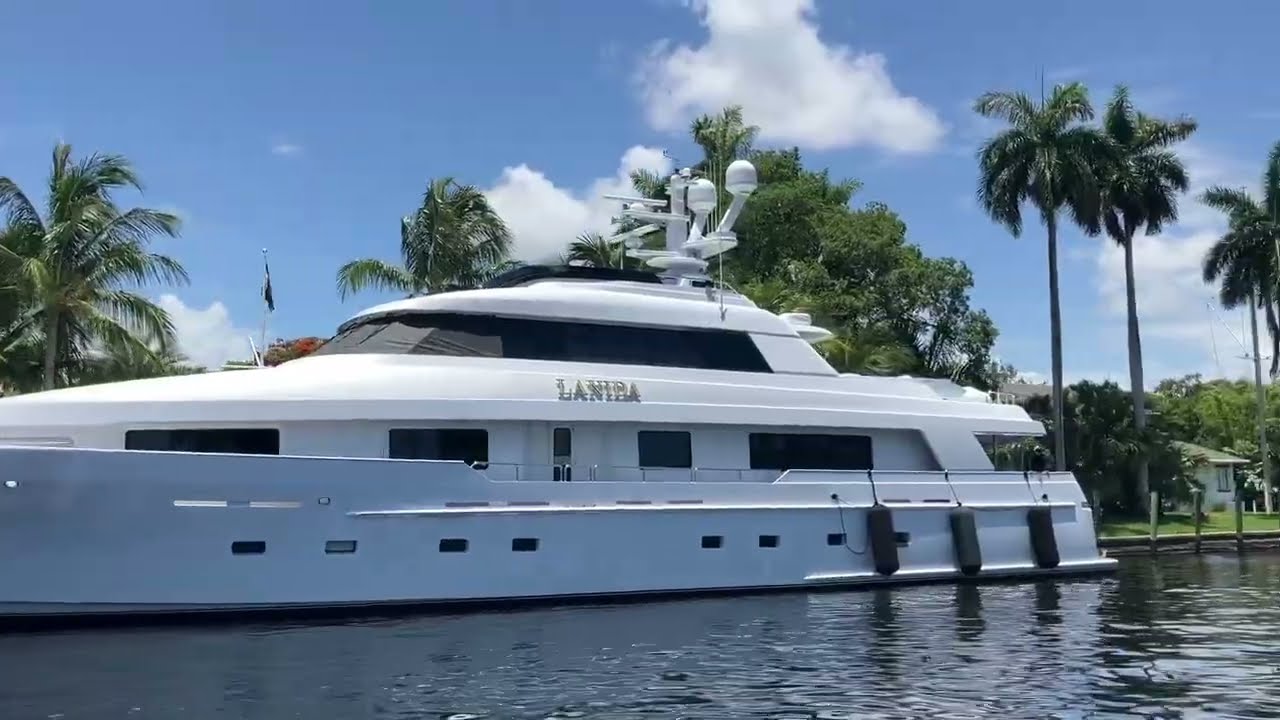
In the local market, "waterfront" covers quite different situations. There is the house on the Intracoastal or on a canal with direct access to the bay, the house on a secondary canal whose route to the sea passes under bridges, the house facing the canal without its own dock, and the house in a community where water is only landscape. Each supports a different use and a different price.
The technical point that confuses buyers most is the route: canal width and depth, clearance under the fixed bridges along the way, and distance to the bay opening. That is not resolved in the listing — it is resolved with people who know the routes and with technical verification of the stretch, before the house reaches the final list.
What sets the value of a house with a dock
Two houses of similar size can be worth very different amounts because each one's stretch of water allows different things. That layer — not the living room finishes — is what sustains value over the long term.
- Canal width and depth, and the house's position along it
- Length and condition of the dock, and how easy it is to moor
- Bridges on the way to the bay and what they limit in clearance
- Orientation of the water-facing side, wind and afternoon sun
- Privacy: neighbours, sight lines and boat traffic
- Easements and restrictions crossing the lot
- Access street, traffic flow and time to school and to the airport
Upkeep and the costs specific to the water
A house on the water carries a maintenance list a house inland does not: sea wall, dock, lot drainage, accelerated wear from salt on façades, window frames and pool equipment. It is recurring work, and the service life of materials is usually shorter than inland.
Interventions on the sea wall, the dock and the lot fill have their own rules and usually require design and approval. Before buying with plans to change things, it is worth understanding what is permitted on the lot — with the licensed professional handling your case and with the local authorities — because what you may do defines how much the house is worth to you.
Neighbourhoods and family profiles
On the ocean side, established addresses — Las Olas, Rio Vista, Coral Ridge, Victoria Park and the islands with navigable canals — combine proximity to the beach, restaurants and walkable life, with smaller lots and prices held up by location.
To the west, in Weston, Plantation, Parkland and Pembroke Pines, the pattern changes: gated communities, larger lots, a family profile and more space per amount invested, at the cost of more driving to the beach and to Miami. It is not a hierarchy of neighbourhoods: it is a choice of routine — and, in a city cut by canals and bridges, measuring real travel time makes a difference.
Where the purchase usually stalls
On a waterfront property, three verifications change the course of the negotiation: the inspection (which looks at roof, structure, electrical, plumbing and how the lot behaves in heavy rain), the wind and flood risk analysis of the address, and the elevation of the floor relative to the street and to the water level.
Insurance conditions come out of those three, and that is where many purchases stall or change price. The cost of insuring the house therefore belongs to the selection stage, alongside the inspection — not to the moment the contract is already signed.
- Full physical inspection, with attention to roof, frames and drainage
- Wind mitigation analysis and the address's flooding history
- Elevation certificate and level relative to water and street
- Survey and verification of boundaries and easements
- Insurance conditions and cost, with any cover required by financing

The order of buying a house on the water
A house on the water rewards those who decide with information: whoever understands the stretch, the upkeep cost and the insurance cost buys better than whoever chooses by the photograph of the sunset over the dock.
- Define the use: your own boat, walkable life near the beach, or space for the family
- Choose the type of water that use requires — bay access, canal, or landscape only
- Define ownership and method of payment with the professional on your case
- Shortlist houses and verify water stretch, dock and bridges before travelling
- Visit as an itinerary, including the street at peak hour
- Inspection, insurance analysis, and reading of lot rules and any association
- Offer and closing with the licensed representative of the transaction
Frequently asked questions
Does every house facing a canal have ocean access?
No. Ocean access depends on whether the canal is navigable, on clearance under the fixed bridges along the way to the bay and on restrictions that may exist in that particular stretch. This is technical and local verification, done with people who know the routes and with the licensed professionals on your case, before the house reaches the final list.
Is insurance on a waterfront house much more expensive?
It tends to be higher, and the amount depends on concrete factors: year and standard of construction, elevation, roof and opening types, distance from the water and the area's history. That is precisely why the insurance analysis happens during selection — with a quote in hand — and not after closing, when there is no room left to negotiate.
Fort Lauderdale or Miami, for a family with children?
Both serve families well, with different profiles: Miami is larger, more international and more intense in traffic; Fort Lauderdale is more residential, with the water at the centre of daily life and quick access to the international airport. Those with work or school in Miami usually also weigh daily travel time — the criterion that most often decides the final choice, after the first visit.
This guide is general orientation about how a relocation process is organised. It is not legal, tax or immigration advice, and it does not replace an analysis of your own case by a licensed professional in the United States. Regulated work is carried out by the licensed partners we introduce.
Tell us what your move requires.
We come back with a structured plan and the right specialists for your case.