
Real estate market
New developments in Miami: reading a launch before signing
A launch is not assessed by the model. It is assessed by the developer, the contract, the payment schedule and the exact unit being bought — before signing.
What buying off-plan actually means
Buying off-plan means buying something that does not exist yet: the unit is defined from plans and specifications, paid for across the construction and received at the end. The interval between signature and delivery is where practically all the risk lives — and where the decisions that matter sit.
It is also the format in which you choose what no longer exists in completed buildings: high floor, a particular line, a layout different from the standard. The price of that choice is waiting time.
Where the market is being built now
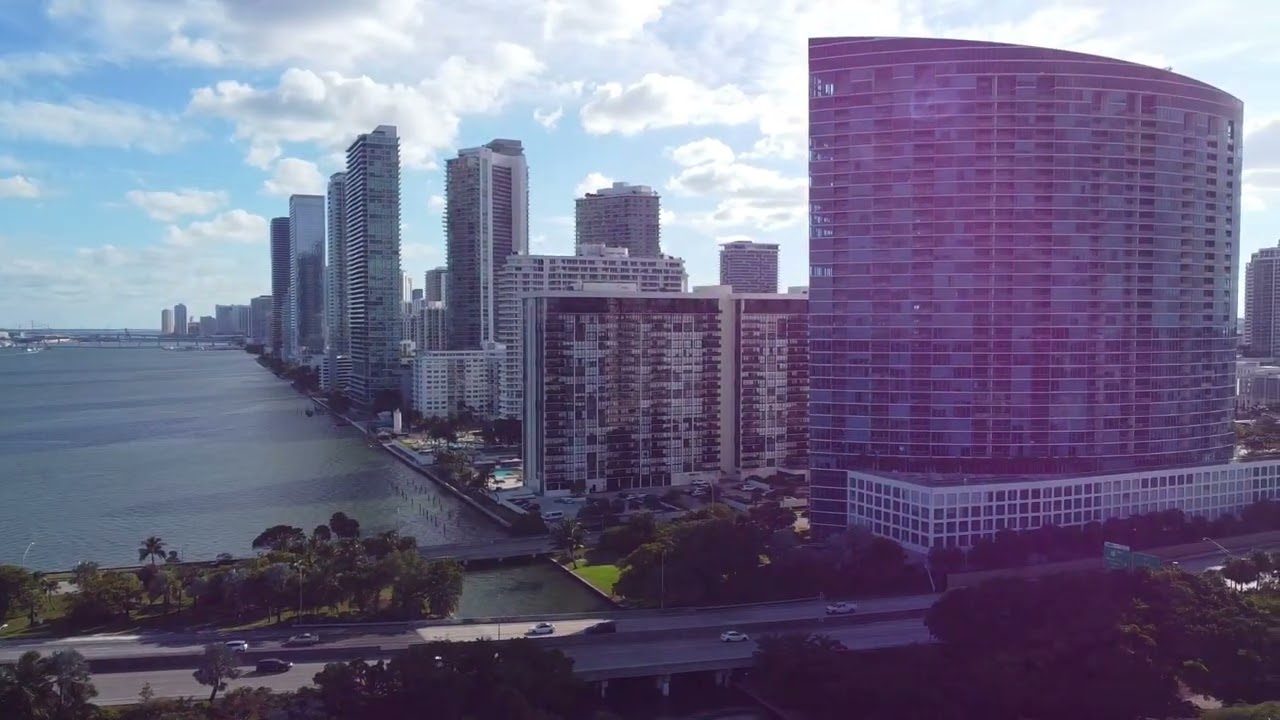
Miami is going through a cycle of transformation of whole areas, and each has a profile: Edgewater, on the bay, with tall towers; Wynwood and around the Design District, with smaller-scale, urban projects; Downtown and Brickell, with density and services; the northern stretch, in Aventura, Sunny Isles and Hallandale, with waterfront towers and an international audience.
For buyers from abroad, more important than the list is the logic: areas under transformation deliver infrastructure and retail after the residential, and unit values follow that sequence. It is worth asking what is already approved around the site — not only what is already built.
The developer and the project
Much of this is verifiable before any offer, and the difference between a well-structured launch and a fragile one usually sits there, not in the sales material.
- Track record of previous deliveries, with real deadlines and real finishes
- How the construction is financed, executed and inspected
- Architect, landscape designer and contractor
- Escrow: where deposits are held and under what release rules
- Local licences and approvals for the development
- Documents of the future association: expected dues and use rules
How to read a price table
Launch price tables carry columns that do not mean the same thing: list price, discounted cash price, down payment, instalments during construction and the balance to finance or pay at delivery. Comparing two tables without normalising that is comparing numbers that are not equivalent.
The correct reading is by cash flow: what leaves in each period, what the money costs while it sits, and what remains to be paid at delivery. That is where a buyer discovers whether the launch fits their plan — and where it pays to have the tax professional and the attorney on your case alongside.
The unit inside the building
In a launch, the choice goes well beyond square footage: the building's line, sun orientation, proximity to the lift and common areas, the possibility of integrating rooms as allowed by the specification, and the view. The view is the most delicate item, because it depends on plots that may be built later.
Ask for dimensioned plans, the finish specification and the expected monthly dues. Those three documents turn a decision made on renders into a decision made on a project.
The risks that stay out of the folder
None of these disqualifies a launch. They simply have to be read, understood and accepted in writing before signature — which is exactly what contract review with the attorney on your case does.
- Delivery delay and what the contract provides in that case
- Project changes during construction, within what the contract allows
- Closing costs and the cost of furnishing the unit at delivery
- A view obstructed by construction already approved nearby
- Actual dues at delivery, set by the association budget
- Resale market conditions, which no sales material controls
The sequence of a well-bought launch
The visible part of a launch — model, show unit, material — exists to present the project. The part that decides the outcome is reading, item by item, what is being signed.
- Purpose: to live in, to use seasonally or to invest
- Area and project compatible with that purpose
- Review of the developer, the project and the escrow
- Contract and specification read with the attorney on your case
- Unit selection: line, floor, layout and view
- Payment flow and what will be due at delivery, with the tax professional on your case
- Licensed representation in contact with the developer

Frequently asked questions
Is a new launch worth it compared with a completed property?
They are products with different timelines and risks. A launch offers choice of unit that a completed building no longer has, with payment spread across construction. A completed property offers immediate use and proof of everything that exists. The decision follows the timing of your move and the profile of the buyer — and it is made case by case, not by a general market rule.
What creates confidence in an off-plan development?
The developer's delivery record, escrow for deposits, approved licences, a clear contract on deadlines and delivery, and legal review done before signature. None of those removes risk: they make the risk visible and written, which is the difference between an investment decision and a bet.
Can I buy off-plan without travelling to Miami?
Yes, with licensed local representation and professional support. Reservation, signature, escrow deposit and construction updates all have well-established remote protocols. We do recommend at least one visit — to know the area, the surroundings and the developer — and we concentrate the decisions in that trip.
This guide is general orientation about how a relocation process is organised. It is not legal, tax or immigration advice, and it does not replace an analysis of your own case by a licensed professional in the United States. Regulated work is carried out by the licensed partners we introduce.
Tell us what your move requires.
We come back with a structured plan and the right specialists for your case.